
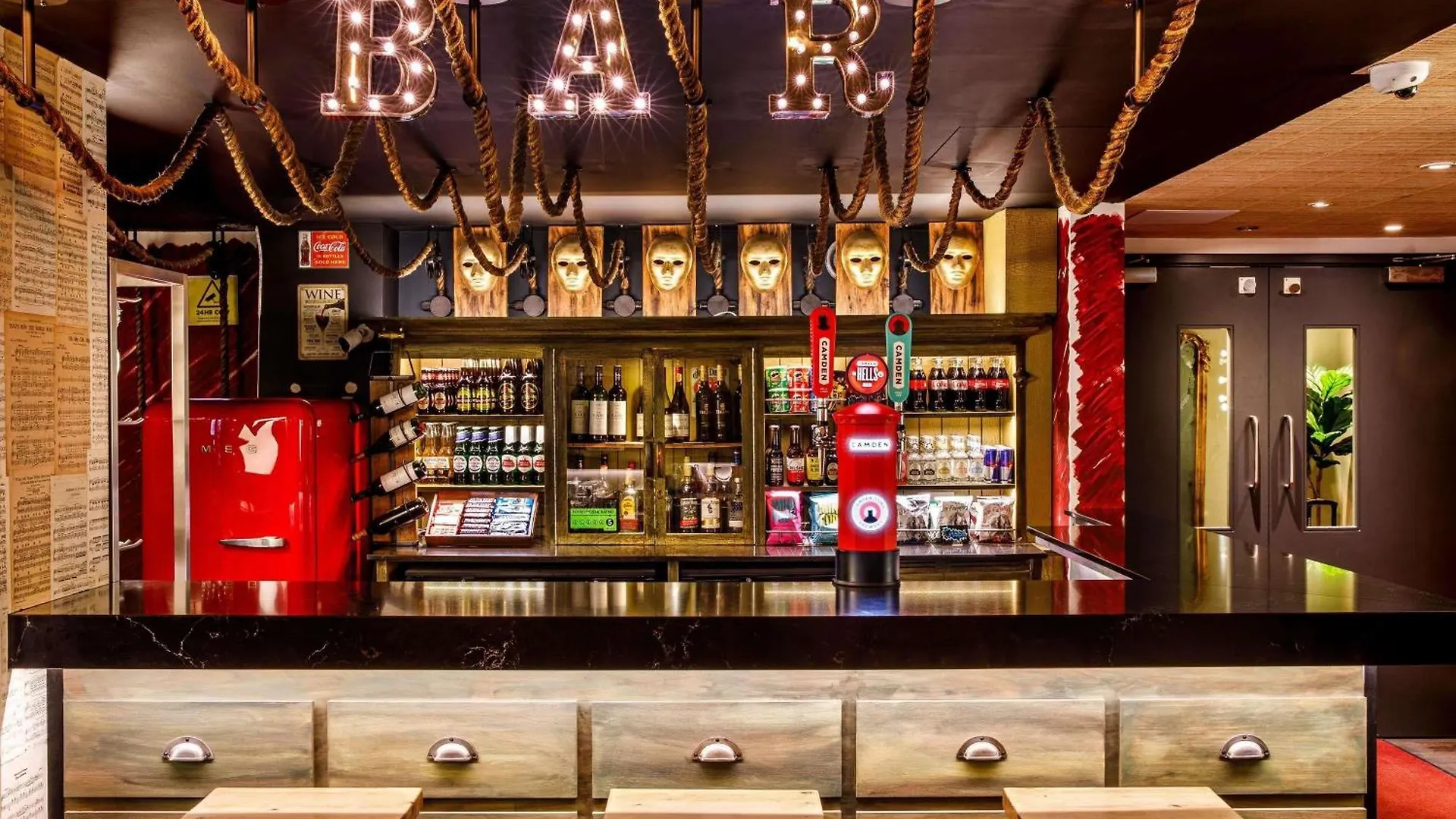
Southwark sits on the south bank of the Thames and gives direct access to Borough Market, Tate Modern, Shakespeare's Globe, and the Shard - all within walking distance of each other. Staying here means skipping the Tube for most major cultural sights while still having London Bridge and Waterloo stations within a 10-minute walk for everything else. These four hotels range from design-led budget options to upper mid-range properties with rooftop facilities, so the comparison below is built to help you match the right stay to your actual itinerary and budget.
What It's Like Staying in Southwark
Southwark is one of the few central London districts where you can realistically walk to around 8 major landmarks without using public transport. The riverside stretch between Blackfriars Bridge and London Bridge is dense with foot traffic on weekends, especially near Borough Market on Friday afternoons and all day Saturday, but side streets off Bermondsey Street and Bankside turn quiet surprisingly quickly. Weekday mornings before 9am feel entirely different from weekend middays - useful context if you're planning early starts or late cultural sessions at the Tate Modern, which stays open until 10pm on Fridays.
Pros:
- * Walking access to Tate Modern, Borough Market, Shakespeare's Globe, and the Shard from a single base
- * London Bridge station connects to the Jubilee and Northern lines, making it straightforward to reach the West End or Heathrow
- * South Bank energy without the premium pricing of Covent Garden or Marylebone
Cons:
- * Borough Market and riverside areas become heavily crowded on Saturday afternoons - noise and foot congestion affect hotels within 200m
- * Limited late-night dining options east of London Bridge after 11pm compared to Soho or Shoreditch
- * Some streets between Borough High Street and Bermondsey lack atmosphere at night, which may feel uncomfortable for solo travellers unfamiliar with the area
Why Choose Boutique Hotels in Southwark
Boutique-positioned hotels in Southwark typically offer more considered design and a stronger sense of place than chain properties in the West End - and they tend to price around 20% lower than equivalent stays in Mayfair or Covent Garden for comparable room quality. Room sizes across this tier in Southwark average around 18-22 sqm for standard doubles, which is standard for central London but noticeably smaller than equivalent boutique stays in Paris or Amsterdam. The trade-off is proximity: no other central London district puts you within a 10-minute flat walk of both a major art museum (Tate Modern) and one of Europe's best food markets (Borough Market).
Pros:
- * Boutique properties in this area use the cultural identity of Bankside and Bermondsey as a design reference, giving rooms more character than generic chain hotels nearby
- * On-site bars and bistros at Southwark boutique hotels tend to draw a local crowd, making them genuinely useful for an evening drink rather than purely functional
- * Closer to cultural venues means less transit time and more flexibility for evening programming at the Globe, Menier Chocolate Factory, or the Southbank Centre
Cons:
- * Weekend riverside noise is a real factor - rooms facing the Thames or Borough Market can be disruptive without strong soundproofing
- * Boutique-labelled properties in Southwark vary significantly in actual quality; design-forward interiors don't always correspond to upgraded mattresses or reliable air conditioning
- * Parking is limited and expensive in this zone; self-driving guests will need to budget separately for nearby NCP car parks
Practical Booking & Area Strategy
The strongest positioning for hotels in this district is the Bankside corridor - roughly between Blackfriars Bridge and London Bridge along Southwark Street and Union Street. Hotels on or near Southwark Street sit equidistant from Blackfriars, Southwark, and London Bridge stations, giving you three separate Tube lines without committing to one. Staying further east toward Bermondsey Street adds quieter surroundings and access to a strong independent restaurant scene, though it adds around 15 minutes on foot to the Tate Modern. For peak season (May through July and during the Notting Hill Carnival weekend in August), rates in Southwark climb noticeably - booking at least 6 weeks ahead secures significantly better rates than last-minute. Outside summer, January and February offer the lowest prices of the year with minimal crowd pressure at most attractions. Tate Modern, the Globe, and Borough Market all operate year-round, so the off-peak window in Southwark is genuinely usable, not just cheap.
Best Value Stays
These two properties offer the strongest combination of price-to-location in Southwark, both within 200m of the Thames and within walking distance of Borough Market and Tate Modern.
-
1. Ibis Styles London Southwark - Near Borough Market
Show on map


 Check-infrom 15:00 until 23:59Check-outuntil 12:00
Just a few rooms left at the best rate!
from£ 72
-
2. Ibis London Blackfriars
Show on map


 Check-infrom 15:00 until 23:59Check-outuntil 12:00
Just a few rooms left at the best rate!
from£ 84
Best Premium Stays
These two properties sit in the upper mid-range for Southwark, offering more spacious rooms, stronger on-site dining, and additional facilities like rooftop gyms and French bistros that justify the higher nightly rate.
-
3. Mercure London Bankside
Show on map


 Check-infrom 15:00 until 23:59Check-outuntil 12:00
Hurry – almost gone at this price!
from£ 117
-
4. Novotel London Bridge
Show on map


 Check-infrom 15:00 until 23:59Check-outuntil 12:00
Rooms filling fast – secure the best rate!
from£ 131
Smart Travel & Timing Advice for Southwark
The lowest hotel rates in Southwark fall in January and February, when Borough Market and Tate Modern are both fully operational but tourist density drops sharply - a practical window for anyone prioritising access over atmosphere. May through July is the peak booking period; rates climb noticeably and the most walkable hotels near Borough Market and the riverfront fill well in advance. If your trip falls in this window, booking at least 6 weeks ahead locks in better rates and preferred room types. A 2-night stay is the practical minimum to make the most of the district without feeling rushed - Tate Modern alone warrants half a day, and Borough Market is best experienced across two visits (Friday afternoon and Saturday morning operate differently). The Notting Hill Carnival weekend in late August causes a city-wide spike in accommodation demand, affecting Southwark pricing even though the event takes place in West London. Midweek stays Sunday to Thursday consistently come in below weekend pricing in this district, which is worth factoring in if your itinerary is flexible.


