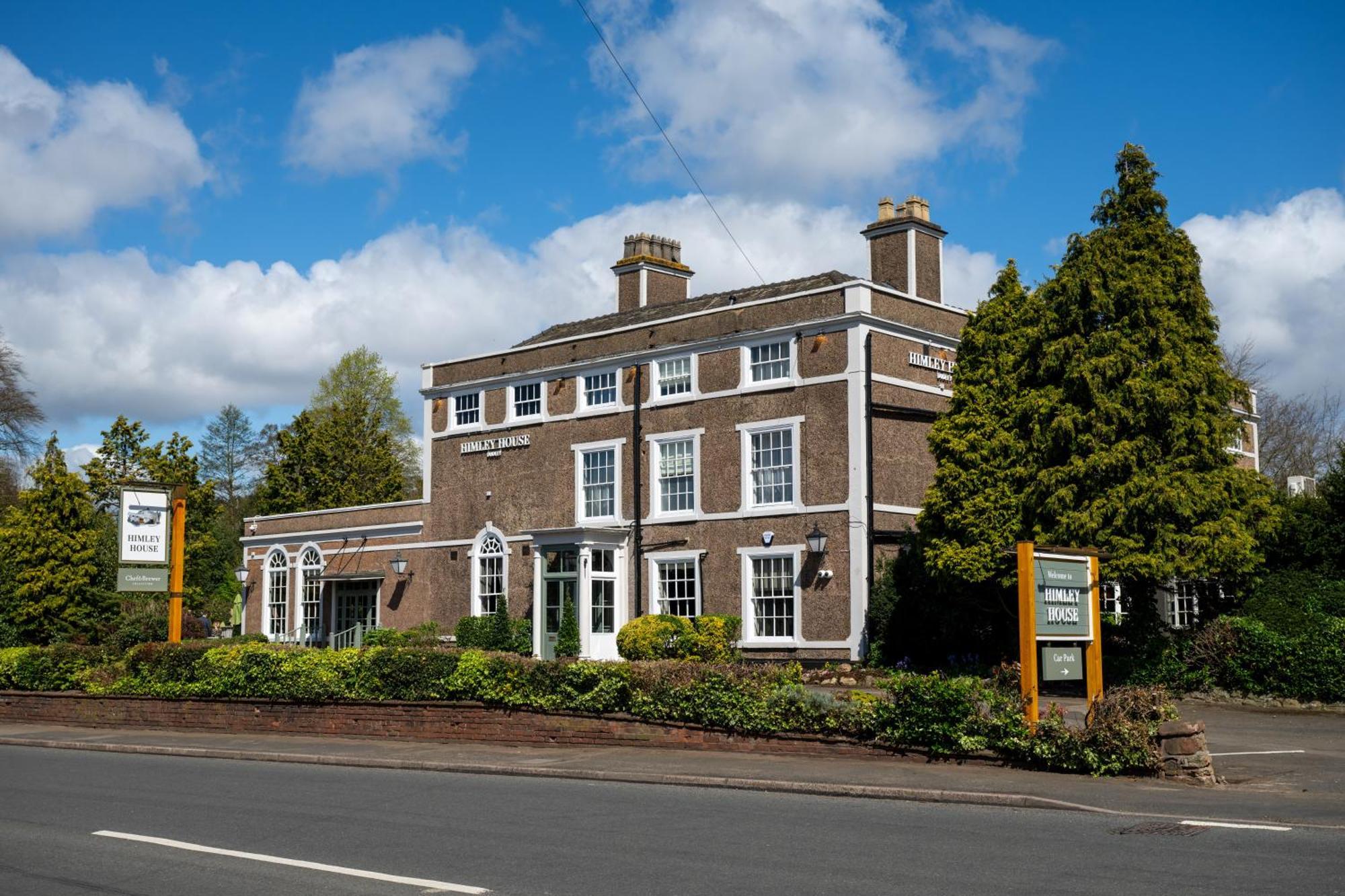
New Forest Wildlife Park sits within one of England's most distinctive national park landscapes, drawing visitors who want direct contact with native wildlife - red squirrels, otters, owls, and free-roaming New Forest ponies - within a working forest setting. Unlike urban attractions, the park demands a base that matches its rural rhythm: properties with genuine character, on-site dining, and practical forest access rather than city-centre proximity. The four design-led hotels in this guide each sit within the New Forest corridor, giving guests a more immersive stay than anything Southampton's city hotels can offer.
What It's Like Staying Near New Forest Wildlife Park
Staying near New Forest Wildlife Park means trading urban convenience for something far more specific: immediate access to ancient woodland, grazing ponies on roadside verges, and villages where the pace genuinely slows. The park itself sits near Longdown, between Southampton and Lyndhurst, and the surrounding area is served by the A35 and A326 - car travel is the dominant mode here, with buses running infrequently on rural routes. Most hotels within reach sit between 10 and 25 minutes' drive of the park entrance, and evening crowds dissolve entirely once day visitors leave. This environment suits guests who want a destination stay rather than a transit base, but anyone relying on public transport or needing city-centre infrastructure will find the area genuinely limiting.
Pros:
- Direct access to marked forest walking trails from most properties, bypassing the need to drive to trailheads
- Rural New Forest villages like Lyndhurst, Brockenhurst, and Romsey offer independent pubs, local food producers, and low foot traffic even in peak season
- Properties in this corridor typically include free parking as standard, removing a cost that Southampton city hotels routinely charge
Cons:
- No walkable town centre from most locations - a car is essential for reaching shops, pharmacies, or train stations
- Mobile signal and broadband speeds vary significantly across the forest, with some villages still in partial coverage zones
- Restaurant options outside the hotel are limited after 9pm in most forest villages, making on-site dining a practical necessity rather than a choice
Why Choose Exceptional Design Hotels Near New Forest Wildlife Park
Design-led hotels in the New Forest tend to occupy converted coaching inns, country houses, and thatched rural buildings - structures that carry genuine architectural character rather than chain-hotel uniformity. In this specific area, that translates to individually decorated rooms, AA-recognised restaurants using local and seasonal produce, and gardens that connect directly to the surrounding landscape. Rates at these properties often sit notably below equivalent design hotels in London or Bath, while delivering a more immersive stay. The trade-off is that these are not properties with spa facilities or conference centres - they prioritise atmosphere, food quality, and setting over amenity volume, which suits forest-focused travellers but may disappoint guests expecting resort-style services.
Pros:
- Individually designed rooms across these properties mean no two stays feel identical - decor reflects the local landscape and building history rather than a brand template
- On-site restaurants at each property source locally, with options ranging from AA Rosette-awarded seasonal menus to traditional British pub dining using New Forest ingredients
- All four properties include free WiFi and free parking, removing incidental costs that add up quickly at design hotels in urban locations
Cons:
- Room counts are small - typically under 20 rooms per property - meaning availability tightens sharply on summer weekends and school holiday periods
- Characterful older buildings can mean uneven room sizing, limited lift access, and heating that varies between floors
- Pub-style properties may generate bar noise on Friday and Saturday evenings, particularly for ground-floor rooms near the main dining area
Practical Booking & Area Strategy
New Forest Wildlife Park is most practically accessed by car via the A326 from Southampton or the A35 from Lyndhurst - there is no direct bus service to the park entrance from most villages. Properties along the Lyndhurst-Brockenhurst corridor place guests within around 15 minutes' drive of the park, while Romsey-based hotels add closer to 25 minutes. Book at least 6 weeks ahead for any Saturday night between May and September - these properties sell out consistently and last-minute availability at this standard simply does not exist in the New Forest. Beyond the wildlife park itself, the immediate area gives access to Beaulieu Motor Museum, Exbury Gardens, and the Lymington-Yarmouth ferry route to the Isle of Wight, all within a 30-minute drive. The forest's own walking network - including the popular Ober Water trail near Brockenhurst - starts directly from hotel gardens at several properties, removing the need to drive to access points. Evening atmosphere in these villages is quiet and genuinely rural; those expecting a lively high street after dinner will need to adjust expectations, but the trade-off in terms of night-sky quality and morning birdsong is real and measurable.
Best Value Stays
These properties combine strong design character with accessible pricing and direct forest access, making them well-suited for guests prioritising atmosphere and proximity over premium amenities.
-
1. White Rabbit By Chef & Brewer Collection
Show on map


 Check-infrom 14:00 until 22:00Check-outuntil 11:00
Just a few rooms left at the best rate!
from£ 86
-
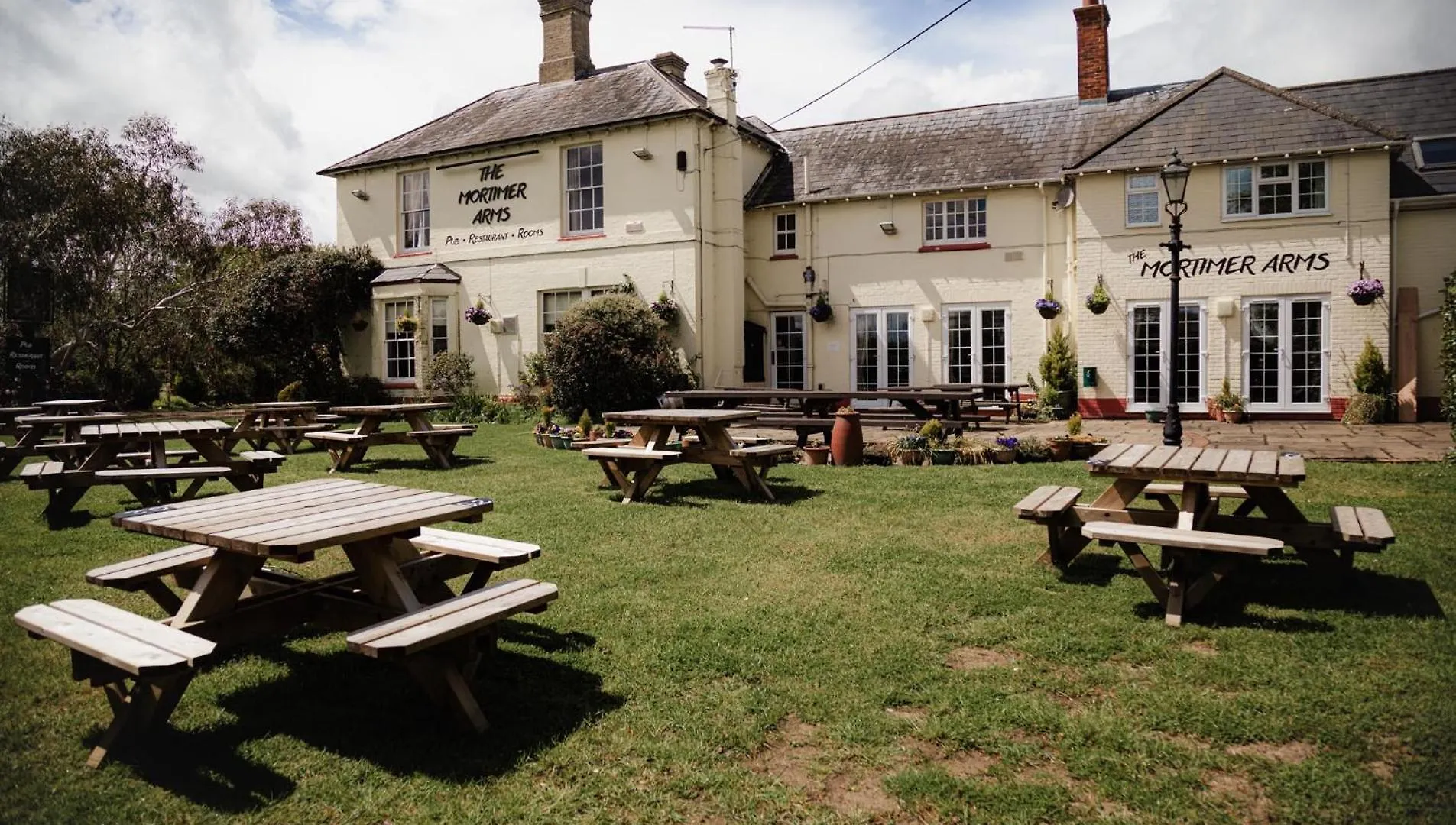
2. The Mortimer Arms (Adults Only)
Show on map


 Check-infrom 15:00 until 21:30Check-outfrom 07:00 until 11:00
Just a few rooms left at the best rate!
from£ 117
Best Premium Stays
These two properties offer elevated design credentials - a privately owned AA Rosette country house and a historic thatched village hotel - for guests seeking a more refined New Forest base within reach of the wildlife park.
-
3. Woodlands Hotel
Show on map


 Check-infrom 15:00 until 22:00Check-outfrom 07:00 until 11:00
Hurry – almost gone at this price!
from£ 80
-
4. Thatched Cottage Hotel
Show on map


 Check-infrom 15:00 until 22:00Check-outfrom 07:00 until 11:00
Rooms filling fast – secure the best rate!
from£ 129
Smart Travel & Timing Advice for New Forest Wildlife Park Visits
New Forest Wildlife Park operates year-round, but the experience changes significantly by season. Spring - late March through May - brings the highest wildlife activity levels, with otter pups, deer calves, and resident bird species at their most visible, while accommodation prices in the forest have not yet reached summer peak rates. July and August push occupancy across all four properties close to 100% on weekends, and midweek rates during school holidays run around 30% higher than shoulder-season equivalents. October half-term is a secondary peak that many visitors overlook when planning. For the quietest and most cost-effective visit, late September and early October deliver good weather probability, reduced visitor numbers at the park itself, and genuine last-light forest atmosphere that summer crowds eliminate. A two-night minimum stay makes sense logistically - the park, Beaulieu, and at least one forest walk cannot be reasonably compressed into a single day without sacrificing quality. Book directly with the property where possible, as several of these smaller hotels offer rates or inclusions on their own booking channels that third-party platforms do not carry.